What is TEF?
TEF = Thermic Effect of Food is the energy needed to digest our food. This is approximately 10% of our total energy expenditure, but can rise to 25% with an excellent diet and a low body fat percentage!
This is sometimes also expressed as DIT or Dietary Induced Thermogenesis.
The Thermic Effect of Food depends on the size of the meal, but is also different for the 3 macronutrients. Our body fat percentage also plays a role. The higher your body fat percentage, the lower your TEF will be.
Proteins
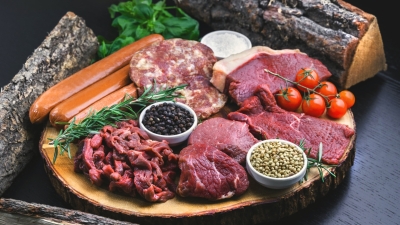
About 20-30% of the energy you get from proteins is immediately used for the removal of nitrogen, synthesis of urea and other processes.
Fats
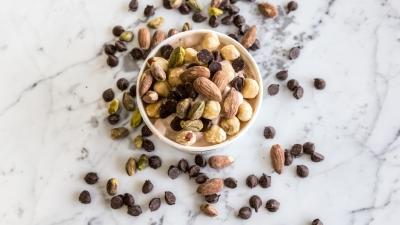
Fats have the lowest thermic effect. They need on average only a few percent of their energy to be digested.
Carbohydrates
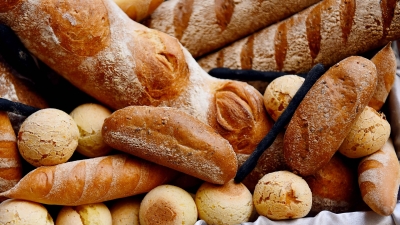
Carbohydrates sit between proteins and fats. They use between 5 and 15%, although fibre-rich products can increase this to 20%.

Bart Vandenbussche is passionate about sport and never shies away from a sporting challenge. He has run several marathons (including sub-3h), is an Iron+Ultra Viking, and currently has the Hyrox bug.
Question or suggestion?
Do you have a question or suggestion? Let us know!