What is metabolism?
Metabolism or metabolism is the set of biochemical processes that take place in the cells of organisms. Metabolism comes from the Greek word 'metabolismos' and means change or conversion.
The 3 main functions of metabolism are:
- Release of energy from nutrients
- Supplying building materials
- Disposal of waste
All processes that take place in our body require energy. This energy comes from what we eat. We can divide metabolism into 2 processes:
- Catabolism: the breakdown of molecules to release energy
- Anabolism: the build-up of substances that use or store energy
Difference between metabolism and digestion
During your digestion, food is converted into nutrients that your body can absorb. After digestion, metabolism begins. The converted nutrients are now absorbed by your body and energy is released.
How can I increase my metabolism?
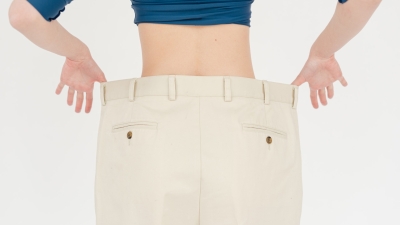
You will often hear metabolism when talking about weight loss. "I have a slow metabolism" is often cited as a reason why people cannot lose weight. But can you boost and speed up your metabolism?
To find out, let's take a closer look at what our metabolism actually entails. Metabolism can be divided into 4 components:
- BMR: Basal Metabolic Rate = basal metabolic rate
- TEF: Thermic Effect of Food
- NEAT: Non-Exercise Activity Thermogenesis
- EAT: Exercise Activity Thermogenesis
1) Basal Metabolic Rate (BMR)
Our basal metabolism is responsible for approximately 70% of our total energy consumption. Lean mass or muscle mass plays the largest role here (as much as 75%). The more muscle mass, the higher your calorie consumption at rest. If you want to increase your metabolism, it is best to get some extra muscle mass by doing strength training.
In addition to your body weight and fat percentage, your BMR also depends on your height, gender and age. Unfortunately, we cannot change these things.
2) Thermic Effect of Food (TEF)
You can increase your thermal effect of food by:
- reduce your fat percentage
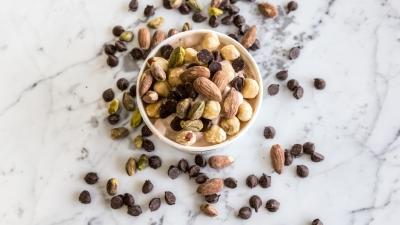
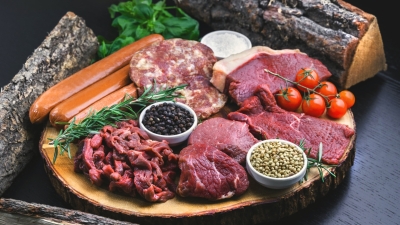
- to choose to eat proteins and fiber-rich products.
3) Non-Exercise Activity Thermogenesis (NEAT)
NEAT is actually the factor that causes a 'slow' of a 'fast' metabolism distinction. Some people unconsciously exercise so much that they consume more than half of their total calorie needs in this way.
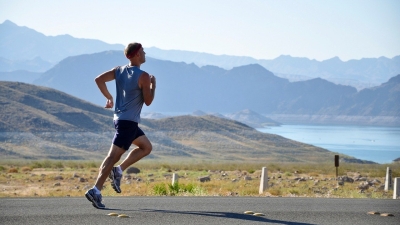
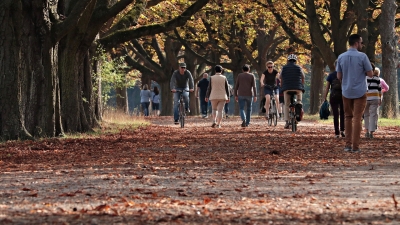
By exercising more (unconsciously or consciously), you can increase your metabolism. We are thinking of taking the stairs instead of the elevator, going to work by bike, standing up more often while working...
4) Exercise Activity Thermogenesis (EAT)
By exercising more, you can also increase your EAT, and therefore also your metabolism.
Summary
You can speed up your metabolism by:
- Increase your lean mass (muscle mass) and decrease your fat percentage
- To choose to eat proteins and fiber-rich products
- Move more, both actively and passively

Bart Vandenbussche is passionate about sport and never shies away from a sporting challenge. He has run several marathons (including sub-3h), is an Iron+Ultra Viking, and currently has the Hyrox bug.
Question or suggestion?
Do you have a question or suggestion? Let us know!