Water is the most underestimated performance-enhancing aid for runners. No supplement, no gel, no special sports drink comes close to good hydration when it comes to its influence on how you feel while running. And yet most recreational runners structurally drink too little, or at the wrong moments.
How does dehydration affect your performance?
Your performance decreases measurably with a fluid deficiency of 2% of your body weight. For a 70 kg runner that is 1.4 liters. That sounds like a lot, but with intensive walking in warm weather you can gain 1 à Sweating 2 liters per hour. After an hour of intensive walking on a hot day you are almost there.
What you notice with dehydration:
- Higher heart rate at the same pace
- Fatigue faster
- Reduced concentration and decision-making ability
- Headache after training
- Dark urine afterwards
So don't wait until you are thirsty to drink. Thirst is a delayed signal: by the time you feel it, you are already slightly dehydrated.
Before training
Drink the 2 à 3 hours for a training 400 à 600 ml of water. Check the color of your urine: light yellow is good, dark yellow or amber means you need to drink more.
During training
For training sessions shorter than 30 à Drinking is hardly necessary for 45 minutes in cool weather. Above that, these guidelines apply:
| Duration | Temperature | Recommendation |
|---|---|---|
| Up to 45 min | Cool (below 15°C) | Not necessary |
| 45 à 60 minutes | Moderate | 150 à 250 ml per 20 min |
| 60 à 90 minutes | Temperate to warm | 200 à 300 ml per 20 min |
| Longer than 90 minutes | All temperatures | 400 à 800 ml per hour + electrolytes |
After training
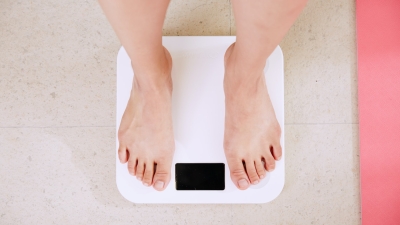
Drink 1.5 times the weight loss you have achieved. Weigh yourself before and after: the difference is almost complete fluid loss. Are you 0.8 kg lighter? Then drink 1.2 liters in the coming hours.
Water or sports drink?
Water is sufficient for most training sessions. Sports drinks only really add value when you are longer than 60 à 75 minutes of intensive running, or when you sweat a lot and therefore lose electrolytes.
An isotonic sports drink usually contains 6 à 8% carbohydrates and some sodium. This composition ensures faster absorption than water alone, and at the same time compensates for energy loss. Hypertonic drinks (more than 8% carbohydrates) are absorbed more slowly and are less suitable during exercise.
Energy drinks such as Red Bull or Monster are not sports drinks. The combination of caffeine, sugar and other stimulants is not designed for use during endurance exercise and may accelerate dehydration.
Electrolytes: when is water not enough?
Sweat contains not only water but also salts: sodium, potassium, magnesium and chloride. With short training sessions, this loss is negligible. For training sessions longer than 60 à 90 minutes, at high temperatures or when runners sweat heavily, electrolyte loss becomes a factor.
The most critical electrolyte is sodium. A sodium deficiency can lead to hyponatremia: a dangerous condition in which blood sodium levels become too low due to drinking excessive water without supplementing with sodium. Symptoms include headache, confusion, nausea and in severe cases loss of consciousness. This is more common during longer races where runners drink a lot of water without supplementing with salts.
How to replenish electrolytes:
- Isotonic sports drink during long runs
- Electrolyte tablets dissolved in water (convenient and cheap)
- Afterwards: salty food, broth, or regular meals with sufficient salt
You don't have to follow a special diet. Most Western diets contain more than enough sodium for normal training days. This requires more attention during multi-day events or extreme heat.
How do you calculate your personal sweat rate?
This sounds like something for elite athletes, but it's a simple measurement that any serious recreational runner can do:
- Weigh yourself naked before a workout
- Run for an hour at normal exercise intensity without drinking
- Weigh yourself naked immediately after training
- The weight difference in grams is your fluid loss per hour
A loss of 500à 1,000 grams per hour is normal at moderate temperatures. In heat or high intensity this can rise to 1,500 à 2,000 grams.
Know your sweat rate, and you know exactly how much to drink during a long training or competition.
Coffee and alcohol: do they count?
Coffee: the myth that coffee is dehydrating has been largely debunked. With moderate use (1à 3 cups per day) the net moisture effect is virtually zero. Coffee counts in your daily fluid balance. Excessive use (more than 5à 6 cups per day) does have a mild diuretic effect.
Alcohol: alcohol suppresses the antidiuretic hormone (ADH), causing you to produce more urine than you drink. Alcohol is therefore indeed dehydrating. Read more about the specific effects on your recovery and performance on the alcohol page.
Frequently asked questions
Should I also drink during short morning training sessions?
How do I know if I drink enough?
What are the best electrolyte drinks or tablets?
In summary
Drink 35à 40 ml per kilogram of body weight per day as basic intake. Drink before and after each workout, and during workouts longer than 45 minutes. Add electrolytes for sessions longer than 90 minutes or in heat. Use the urine check as a daily monitor.
→ Everything about the timing and content of what you eat before, during and after running can be found in the nutrition overview.
→ Do you run in warm weather? Also read running in warm weather for additional hydration points.

Bart Vandenbussche is passionate about sport and never shies away from a sporting challenge. He has run several marathons (including sub-3h), is an Iron+Ultra Viking, and currently has the Hyrox bug.
Question or suggestion?
Do you have a question or suggestion? Let us know!