You have trained for weeks or months. The taper is done. The race is tomorrow. Or today. Now what?
Race day is the moment when all your preparation comes together. It is also the moment when runners unnecessarily make mistakes through lack of sleep, eating breakfast too late, insufficient warm-up or logistical stress that was avoidable. This guide takes you step by step through the day.
The night before the match
Get everything ready
Complete your bag the night before the race. What's inside:
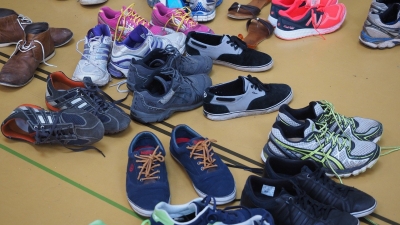
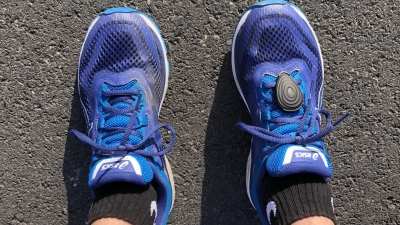
- Running shoes (worn in, not new)
- Competition clothing (tested in training, no new material)
- Start confirmation, starting number and pins
- Watch, charged
- Gels, bars or other food you have tested
- Hand water bottle or water bottle
- Warm jacket for the waiting time before the start (which you can leave behind or give to someone)
- If necessary: tape, Vaseline, compression socks
Get it ready. Set your alarm. Go to sleep on time.
Sleep
Most runners sleep poorly the night before a race. That is normal and no reason to panic. Research shows that one bad night has little impact on performance if the sleep was good the week before. One night's sleep depletion only has an impact if it persists.
What does help: go to sleep at a normal time (not too early, because then you will be awake), limit screen use before going to sleep, and keep a dark and cool bedroom.
The morning of the match
Alarm clock and time planning
Get up early enough to do breakfast, travel time, registration and warm-up without rushing. A broad rule of thumb: be at least 60 à Be at the race 90 minutes before the start. For major events (marathon, city races with long queues at the cloakroom) earlier.
Set a backup alarm if necessary. The chance that you will wake up too late is small, but the stress if it does happen is enormous.
Breakfast: what and when?
Eat two à three hours before the start. You tested what you eat in your preparation. Standard reliable options:
- White bread or toast with jam or honey
- Oatmeal with banana and some honey
- Rice waffles with peanut butter or jam
- A ripe banana and an energy bar
Drink 300à 500 ml of water with breakfast. Not large amounts of coffee if you are not used to it, but your regular cup of coffee if it is part of your routine.
Avoid: dairy products if you are sensitive to them, high-fiber products, heavy meals, unfamiliar foods.
Travel time and arrival at the match
Leave with margin. Parking and traffic problems at major events are real. If you take public transport, check whether services are running normally on match day.
On arrival: register, get your starting number, hand over your sports bag on time. Many competitions close the bag drop 15 à 30 minutes before the start.
The warming up
A good warm-up is an underestimated factor for many recreational runners. For shorter, more intensive distances (5 km and 10 km), warming up is essential: without warming up, you will run too slowly for the first kilometers and your body will not immediately be able to handle the required intensity.
In a marathon, an extensive warm-up is less necessary. The first kilometers serve as a warm-up.
Recommended warm-up procedure (5 km and 10 km):
- 10 à 15 minutes of leisurely walking, 25 à 30 minutes before the start
- Dynamic exercises: knee lifts, heels-buttocks, leg swings, sideways steps
- 3 à 5 strides of 20 seconds at slightly faster than race pace, with full recovery
- Finish 5 à 10 minutes before the start so that you do not cool down in the starting zone
For half marathon and marathon:
- 5 à 10 minutes of gentle walking is sufficient
- Possibly a few dynamic exercises
- No strides necessary: the first kilometers of the race are themselves the warm-up
→ More about warming up: warming up before running.
In the starting zone
Position yourself correctly based on your target time. Too far in front leads to too fast a start. Too far behind costs unnecessary energy by overtaking slower runners.
Drink another 150 à in the last 30 minutes before the start. 200 ml of water. Not anymore: a full bladder is uncomfortable and requires a sanitary stop along the way.
Keep moving in the starting zone: take a few steps back and forth, walk quietly in place. Do not stand still in the cold or heat.
Mental: Focus your attention on the first kilometer and your target pace. Not on the finishing time, not on other runners, not on how you feel. The first kilometer, target pace, start slowly.
During the race
We cover the race strategy in full on the race strategy page. Briefly the most practical points for race day:
Drink at every aid station, even if you feel good. Don't wait until you're thirsty.
Take gels in time, for longer distances. Don't wait until you're empty. The first gel in a half marathon around kilometer 7 à 8, then every 5 à 6 km.
Adjust your pace in the heat. More than 20°C, and every degree counts. Read running in warm weather for concrete guidelines.
Ignore your feelings in the first kilometer. Starting too soon is the most common mistake. Trust your watch, not your feelings.
After the finish
Immediately after the finish
Do not stop abruptly. Walk or walk quietly for the first few minutes. Your heart rate and blood pressure gradually decrease. Stopping abruptly can cause dizziness or fainting during intense competitions.
Grab a blanket or warm jacket as soon as it is available. After intensive exercise, your body temperature drops quickly.
Drink water and have a snack with carbohydrates and proteins. A banana, a bar, chocolate milk, whatever is on offer.
The hours after
Eat a complete meal with carbohydrates and proteins within two hours after the race. Your glycogen stores are depleted and your muscles are damaged.
Drink plenty of fluids, including electrolytes. After a long and hard performance, sodium and potassium loss is significant.
Avoid alcohol intensively in the hours immediately after a match. See alcohol and running for more explanation.
You can read how to fully recover from a competition in the recovery guide.
Frequently asked questions
Should I rest completely the day before the competition?
My stomach is nervous on race morning. What am I doing?
What do I do if it is much warmer or colder than expected?
I have nerves and hardly sleep the night before the race. Is that bad?
In summary
A good race day starts the night before: getting everything ready, eating a familiar meal, going to sleep on time. The morning itself: enough time for breakfast and transportation, warming up properly, positioning correctly. During the race: trust your plan, drink on time, start calmer than your feeling indicates. After the finish: walk, eat and drink, recovery starts immediately.
→ How do you optimally recover after the match? Read the recovery guide.
→ Back to the competitions overview.
Bart Vandenbussche is passionate about sport and never shies away from a sporting challenge. He has run several marathons (including sub-3h), is an Iron+Ultra Viking, and currently has the Hyrox bug.
Question or suggestion?
Do you have a question or suggestion? Let us know!