We can divide vitamins into 2 groups:
- Fat-soluble vitamins: vitamins A, D, E and K
- Water-soluble vitamins: all other vitamins such as B vitamins and vitamin C
Fat-soluble vitamins
Vitamin A
A precursor to vitamin A is beta-carotene, which is converted into vitamin A in the body.
Functions
- Improves vision and prevents night blindness
- Prevents and treats skin problems and skin ageing
- Growth of teeth and bones
- Formation and maintenance of skin, hair and mucous membranes
- Protection against infections
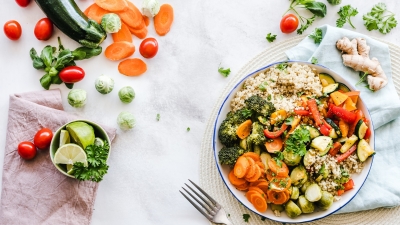
You can find vitamin A in dark leafy greens, orange vegetables, orange-yellow fruit, liver, full-fat dairy products, oily fish, eggs and cooking fats.
Vitamin D
Vitamin D is one of the few vitamins our body can produce itself. It can do this under the influence of UV rays from the sun.
Functions
- Growth of teeth and bones
- Maintenance of heart activity and nervous system
- Strengthens the immune system
You can produce vitamin D by going out in the sun. You can also find it in oily fish, full-fat dairy products, egg yolk, liver and cooking fats.
Vitamin E
Vitamin E protects blood cells and tissues from breakdown (antioxidant).
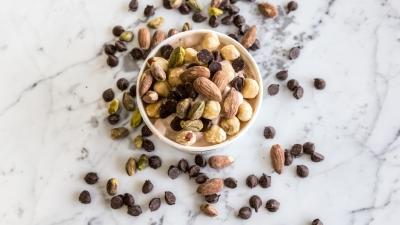
You can find vitamin E in whole grains, leafy vegetables, broccoli, fruit, eggs, nuts, oils and cooking fats.
Vitamin K
Besides vitamin D, vitamin K can also be produced by our body itself. This happens through bacteria in the large intestine.
Vitamin K plays an important role in blood clotting. Without vitamin K, wounds would keep bleeding.
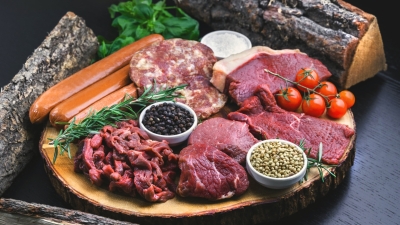
In addition to its own production, you can also absorb vitamin K through food: green leafy vegetables, meat, liver and full-fat dairy products.
Water-soluble vitamins
B vitamins
There are various vitamins that belong to the B group. Their functions are interdependent and they are therefore often seen as a group.
| Vitamin | Function | Source |
|---|---|---|
| B1 | Carbohydrate digestion, growth and muscle tone | Potatoes, brown rice, oats, wheat bran and germ, vegetables, pork and brewer's yeast |
| B2 | Digestion of macronutrients, keeping skin and hair healthy | Grain products, green leafy vegetables, dairy, liver and yeast |
| B3 | Needed to extract energy from food | Meat, fish, grain products, vegetables and potatoes |
| B5 | Role in digestion, together with coenzyme A | Grain products, vegetables, dairy products and meat |
| B6 | Formation of body tissues, protein digestion | Meat, fish, eggs, liver, whole grain products, legumes and nuts |
| B9 | Development of genetic material, production of red blood cells | Whole grain products, green vegetables, fruit, eggs, liver and dairy products |
| B12 | Cell development and function of nervous system | Only in animal products: meat, fish, dairy |
Vitamin C
Functions
- Plays an important role in maintaining the body's immune defence
- Ensures good wound healing
- Promotes iron absorption
The most important sources of vitamin C are potatoes, vegetables and fruit.

Bart Vandenbussche is passionate about sport and never shies away from a sporting challenge. He has run several marathons (including sub-3h), is an Iron+Ultra Viking, and currently has the Hyrox bug.
Question or suggestion?
Do you have a question or suggestion? Let us know!