What you eat before a running training has a direct influence on how that training feels. Ate too little and your legs give out after three kilometres. Ate too much or too late and your stomach protests halfway through. The right timing and choice make the difference between a training you dread and one you enjoy.
The basics: what does nutrition do before running?
Your body runs on glycogen, the stored form of carbohydrates in your muscles and liver. For an average runner, that supply is good for 75à 90 minutes of intensive walking. If you eat carbohydrates before a workout, you replenish that supply or maintain it. This is particularly relevant for:
- Workouts longer than 60 minutes
- Intensive sessions such as interval training or a tempo run
- Morning training where you are fasting after a night's sleep
For short, quiet training sessions (30 à 45 minutes in zone 2), you can start on an empty stomach or with a light snack. Your glycogen stores are more than sufficient for that load.
Timing: how long before your workout do you eat?
This is what most runners struggle with. The rule of thumb:
2 à 3 hours before a workout: a normal, carbohydrate-rich meal. Pasta, rice, potatoes, bread. Give your stomach enough time to digest. Avoid fiber, fat or protein in large quantities just before running: they slow down gastric emptying and are heavy on the stomach.
30 à 60 minutes before a workout: a small, easily digestible snack. Think of a ripe banana, a white sandwich with honey, a handful of raisins or a small bowl of rice. No heavy products, no high-fat snacks, nothing new or experimental.
Less than 30 minutes before a workout: preferably nothing more, or a maximum of a few sips of sports drink. Your stomach simply no longer has time to process anything.
Morning workouts: fasting or not?
This is one of the most frequently asked questions. The answer depends on the duration and intensity of your training.
Fasted running: great for gentle workouts up to 45 à 60 minutes. Your liver has released glycogen overnight to keep your blood sugar stable, but your muscles are still charged enough for a short session. Many runners do this successfully and some consciously train on an empty stomach to stimulate fat burning.
Eat something: A small snack is useful for workouts longer than 60 minutes or for intensive morning workouts. A banana, a few rice cakes or a small glass of fruit juice does the job: quickly available carbohydrates that stabilize your blood sugar without burdening your stomach.
The myth that fasted training burns significantly more fat and is therefore better for weight loss has been largely debunked. The total effect on the energy balance over a day is negligible, while it makes your training more difficult.
What do you eat the day before a long run?
A long endurance run of 90 minutes or more requires a well-stocked glycogen supply. You do not build this up with one meal just before training, but in the 24 hours before.
The day for a long run:
- Eat carbohydrate-rich meals: pasta, rice, bread, potatoes, oatmeal
- Drink enough water throughout the day
- Avoid excessive alcohol (read more about alcohol and running)
- Don't eat an excessively heavy or high-fiber meal the night before: you don't want to leave the house feeling bloated
"Carb loading" in the classic sense (eating an extremely high amount of carbohydrates the day before a competition) is only relevant for efforts of more than 90 minutes at high intensity. For a workout of 60 à A normal carbohydrate-rich diet the day before is sufficient for 75 minutes.
Nutrition before a competition
A competition requires extra attention. Nerves are also a factor here: a nervous stomach tolerates less than a calm training stomach.
The night before the match: eat familiarly. Don't experiment with new dishes or restaurants. Pasta, rice with chicken, or potatoes with vegetables and a piece of meat: regular, familiar food. No greasy or spicy prepared food.
The morning of the race: eat 2 à 3 hours before the start. Choose easily digestible carbohydrates: white bread with jam or honey, oatmeal with banana, rice waffles. Avoid dairy products if you are sensitive to them during exercise. Drink 300 à 500 ml of water with breakfast.
30 minutes before the start: possibly a small snack (banana, sports gel, sports drink) if you are used to this from the training. Never introduce anything new on match day.
"Nothing new on race day" is the most important nutritional advice for competitive runners. What your stomach doesn't know can ruin your race.
What foods do you avoid before running?
Not everything is a good idea just before a workout. Products to avoid in the two hours before running:
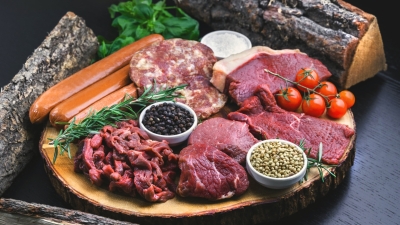
Fibre-rich vegetables and legumes: broccoli, beans, lentils, cabbage. They cause gas formation and abdominal cramps during exertion. Reserve them for meals that do not fall directly before a training session.
Fat-rich meals: a hamburger, fried food or a heavy sauce significantly slows down stomach emptying. That gives a heavy feeling and can cause nausea.
Dairy products (if sensitive): milk, yogurt and cheese are fine for many runners, but they are a risk if you have lactose intolerance or a sensitive stomach during exercise.
Cafeine in large quantities without habituation: a cup of coffee before running is fine for many runners and even has performance-enhancing effects. But those who are not used to caffeine may experience stomach problems.
Practical: quick snacks that work
Little time for training? These are reliable options that most runners will tolerate well:
- Ripe banana (30 à 60 minutes in advance)
- White bread or rice waffles with honey (45 à 60 minutes in advance)
- Small portion of oatmeal with water (60 à 90 minutes in advance)
- Dates or raisins (20 à 30 minutes in advance)
- Sports gel or sports drink (just before or at the start)
Frequently asked questions
Can I drink coffee before running?
What if I'm not hungry in the morning for a morning workout?
Is an energy gel only for marathon runners?
In summary
Eat 2à A carbohydrate-rich meal 3 hours before a workout, or 30 à A small, easily digestible snack 60 minutes in advance. Avoid heavy, high-fat or high-fiber meals just before running. On match day: nothing new, nothing experimental.
→ Do you want to know what you eat during a long run? Read nutrition while running.
→ Everything about recovery nutrition after training: nutrition after running.

Bart Vandenbussche is passionate about sport and never shies away from a sporting challenge. He has run several marathons (including sub-3h), is an Iron+Ultra Viking, and currently has the Hyrox bug.
Question or suggestion?
Do you have a question or suggestion? Let us know!